Workplace
A year-round workplace safety calendar for small teams
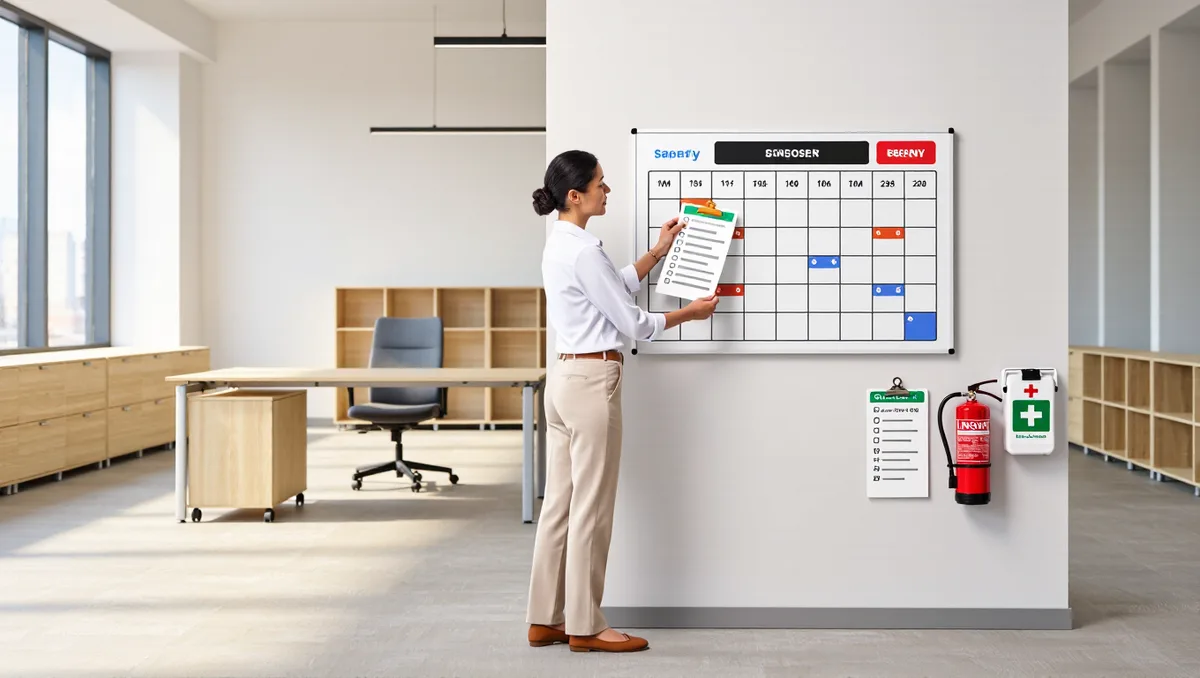
Small crews do not need a safety department. They need a calendar that spreads the work across twelve months instead of cramming it into one bad week.
Small crews do not need a safety department. They need a calendar that spreads the work across twelve months instead of cramming it into one bad week.
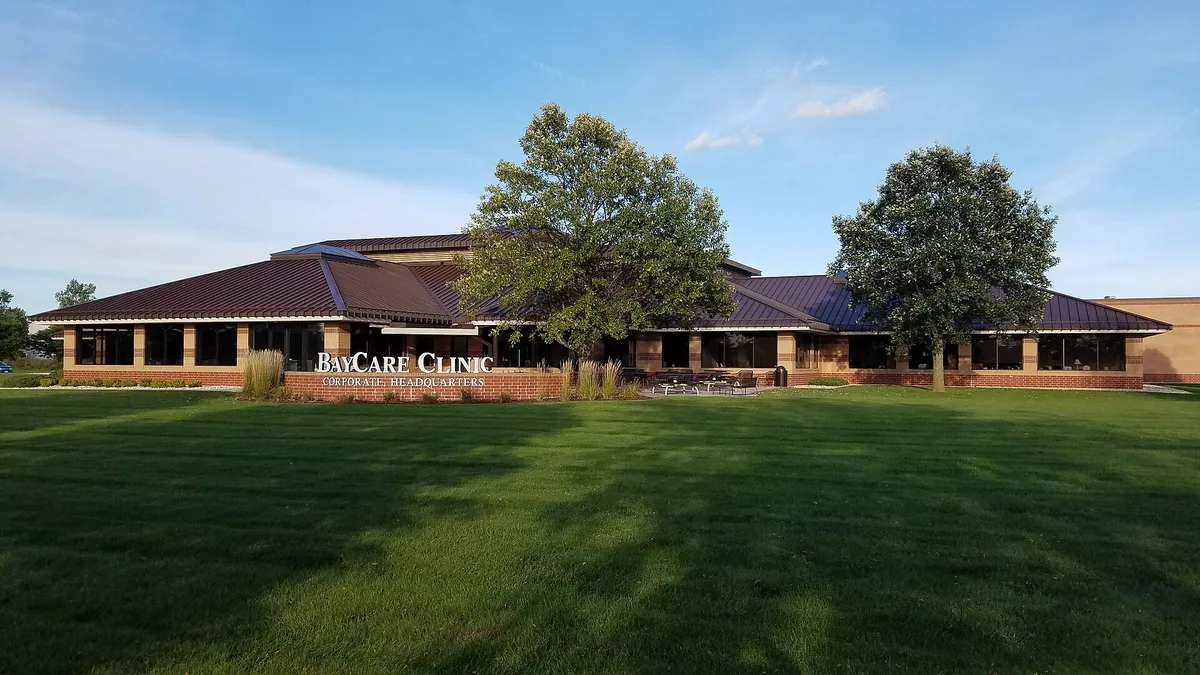
Ten straight years on a Fortune list is a real streak. What the award measures, and what it does not, is worth a second look.

The steward is the contract's first responder on the shop floor — here is the job, and the moments that call for it.
Small crews do not need a safety department. They need a calendar that spreads the work across twelve months instead of cramming it into one bad week.
Pleadings, discovery, motions, trial, appeal — the stages a workplace lawsuit actually passes through, and where most cases end.
The titles overlap almost completely. What separates useful counsel from the wrong specialist is the kind of dispute, not the name on the door.

A practical guide for practitioners, students and curious readers on choosing where to follow labor and employment law.
Ten straight years on a Fortune list is a real streak. What the award measures, and what it does not, is worth a second look.

From the first charge filed with a federal agency to a verdict or a settlement, here is the road a workplace discrimination case actually travels.
The Commonwealth writes its own wage, break and leave rules. Where they differ from federal law, the stricter rule usually governs.

A look at the daily pipeline that turns dockets, rulings and agency notices into the legal news you read.
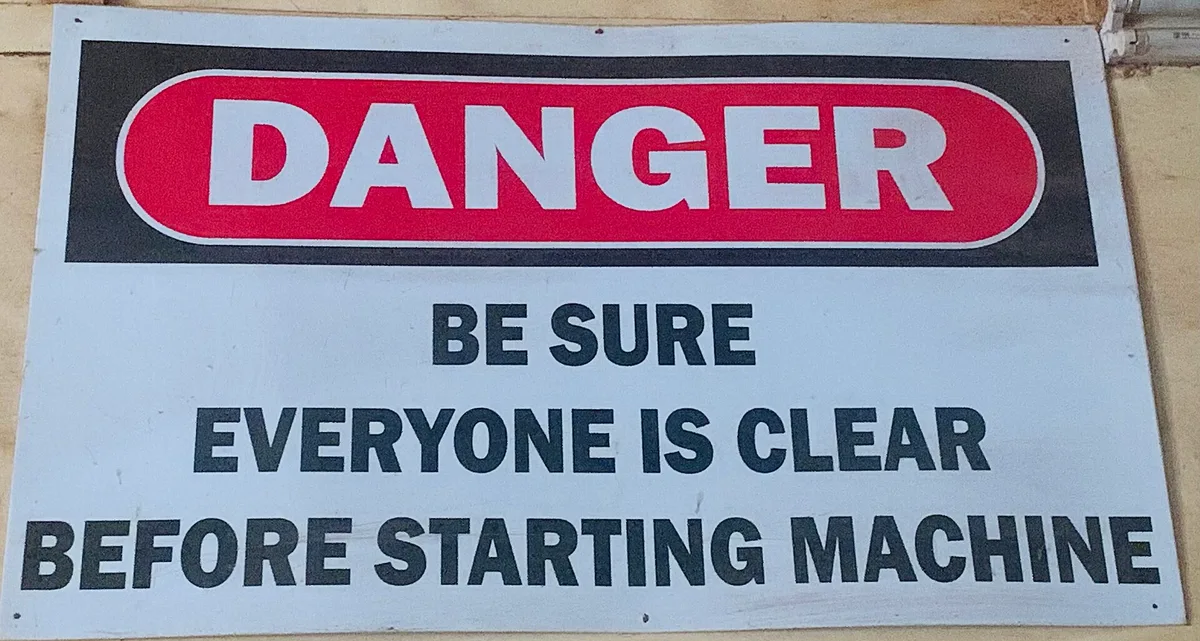
A new ASSP survey shows 86% of safety professionals in exploratory or early AI adoption, with investment and data quality as the brakes.
An OSHA exposure limit or a DOL overtime threshold becomes binding law through the Administrative Procedure Act's notice-and-comment process — a published proposal, a public docket, and a reasoned final rule.

A Supreme Court rule from 1975 still decides who can bring a witness into the room when an employer starts asking questions that could end in discipline.

Two final rules published August 3 shift appeals of furloughs, separations and demotions to OPM itself, effective September 2, ending the MSPB hearing route.