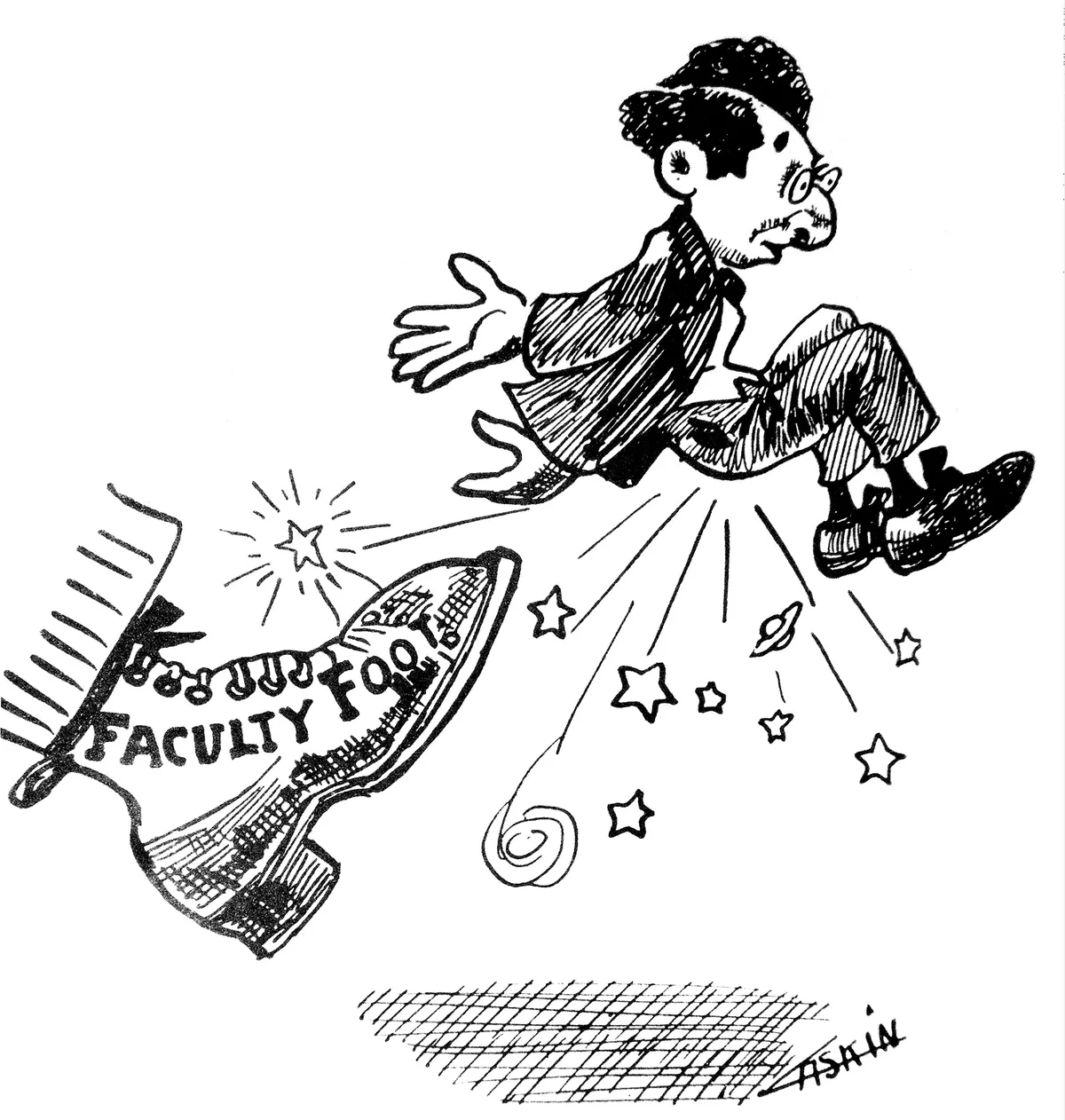
Fired for speaking up is the claim at the heart of every retaliatory termination dispute. The idea is simple. An employer punishes a worker for a protected complaint, then dresses the punishment up as an ordinary firing.
The hard part is proof. Most American workers can be dismissed for almost any reason, or for no reason at all. So a case is rarely about whether the firing happened. It is about the real reason behind it.
What at-will employment allows
In United States labor law, at-will employment lets an employer dismiss a worker for any reason. The employer does not have to show just cause for the firing. Courts deny a worker hired at will any claim for loss from such a dismissal. The flip side is the worker's equal freedom to quit without warning. This connects to our earlier piece, Two OSHAs: why a violation costs more in some states.
The rule became the default across most states in the late nineteenth century. It has been softened ever since. Over the last century, many states added exceptions to the rule. Some changed the default terms of the work deal as well. Statutory rights narrow it too. Firing a worker over race, sex, or another protected trait breaks discrimination rules such as those in the Civil Rights Act. Wikipedia: At-will employment
What retaliation can look like
Retaliation is not always instant, and it is not always the sack. People who report wrongdoing often face a climb first. Researchers list actions that count as retaliatory. They include an unreasonable jump in workloads, cut hours, blocked tasks, and bullying. A firing sits at the far end of that list. Wikipedia: Whistleblower
The reporting itself has a pattern. Over four in five whistleblowers report inside the company first. They go to a supervisor, human resources, compliance, or a neutral third party. They hope the company will fix the problem. Some later take the story outside, to law enforcement, regulators, or the press. That timeline matters. It is the very sequence a court may replay. Wikipedia
How courts and agencies spot it
A credible claim needs compelling evidence. That is what lets a government body investigate and hold an organization to account. In plain terms, the paper trail matters more than the anger behind it. Save the reviews, the schedules, and the messages that show what changed after the complaint. Wikipedia: Whistleblower
Reviewers look for a story that fits. A worker makes a disclosure. Punishment follows. It may start small, with workload hikes or cut hours, and end with dismissal. Context narrows the at-will defense too. In workplaces with a union recognized for collective bargaining, dismissal normally requires just cause. The same is true in many public sector jobs. Employer and employee can also contract for that same protection.
What this means for workers
Protection depends on where you work and for whom. Statutes, union contracts, and public sector rules can all change the picture. Laws also differ from state to state. What counts as a protected disclosure is defined by law. The details decide a lot. Wikipedia
One more lesson comes from people who have done it. To succeed, a whistleblower often must persist for years. Institutions can work for just as long to silence and discredit them. Wikipedia Records make that wait survivable.
Conclusion: The firing is legal until the motive proves otherwise
At-will employment lets an employer end a job for any reason, or for none. It does not let an employer punish a worker for exposing wrongdoing. The gap between those two sentences is where every retaliation case lives. Timing, pattern, and records decide it. If a dismissal follows a protected complaint, the paper trail is the case. For related coverage, see The six factors that decide contractor status, and who uses them.