Labor Rights
The labor rights movement: victories every worker inherits
The eight-hour day, the weekend, safety law and wage enforcement all trace to organizing that most workers never see.
Labor Rights covers the rules that govern a job and what happens when they break: wage and hour enforcement, safety investigations, discrimination suits and misclassification fights. Each story is anchored to a filing, an inspection or a docket.
Wage theft, workplace safety, discrimination, misclassification and the enforcement agencies workers rely on, tracked through cases and data.
The eight-hour day, the weekend, safety law and wage enforcement all trace to organizing that most workers never see.
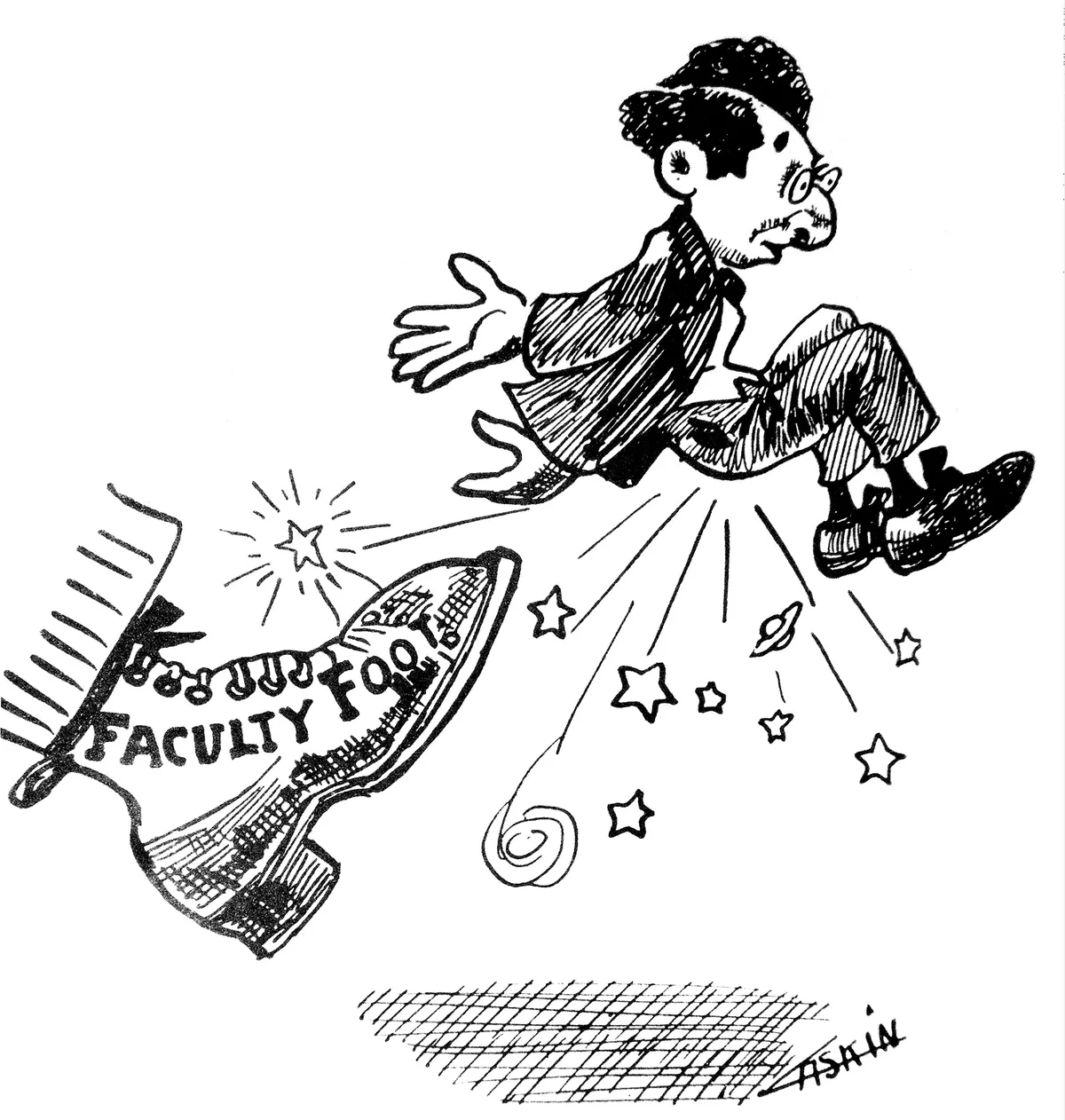
Retaliatory termination is a firing meant to punish a protected complaint. Here is how at-will rules work, what retaliation looks like, and what proof does in court.

The Pittsburgh bank's award streak is long by any measure. What the numbers behind the honors actually measure is a narrower question.
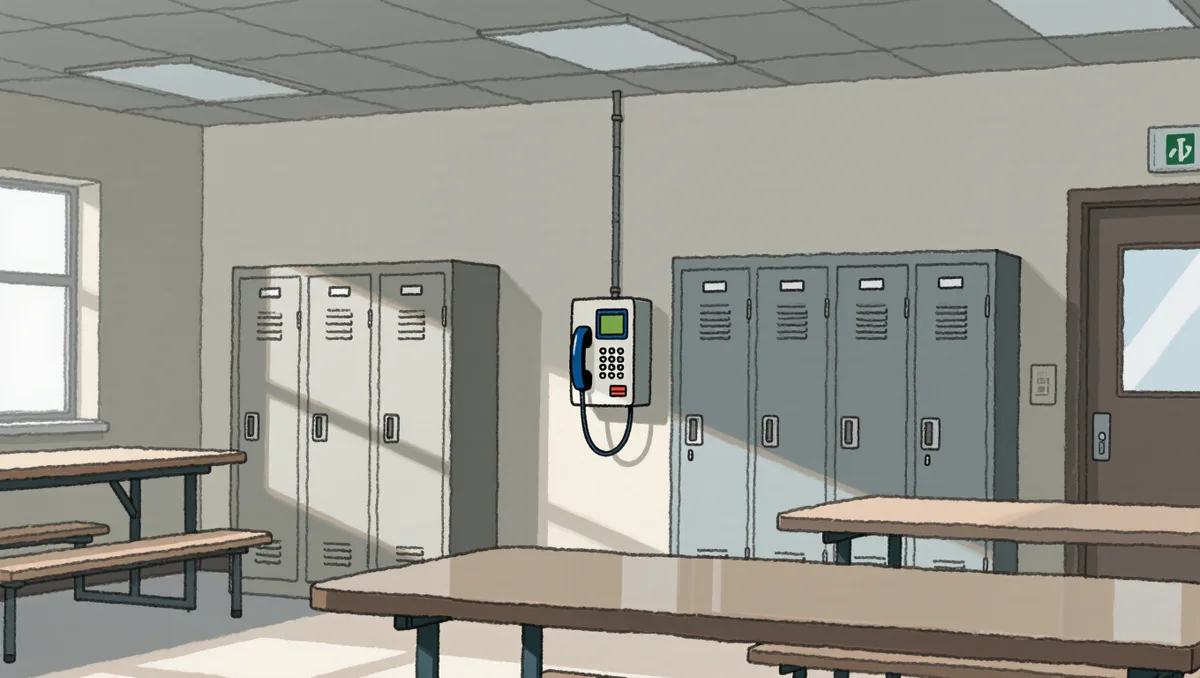
Pay stubs, time records and saved texts are what turn a suspicion about unpaid wages into a claim an investigator can act on.
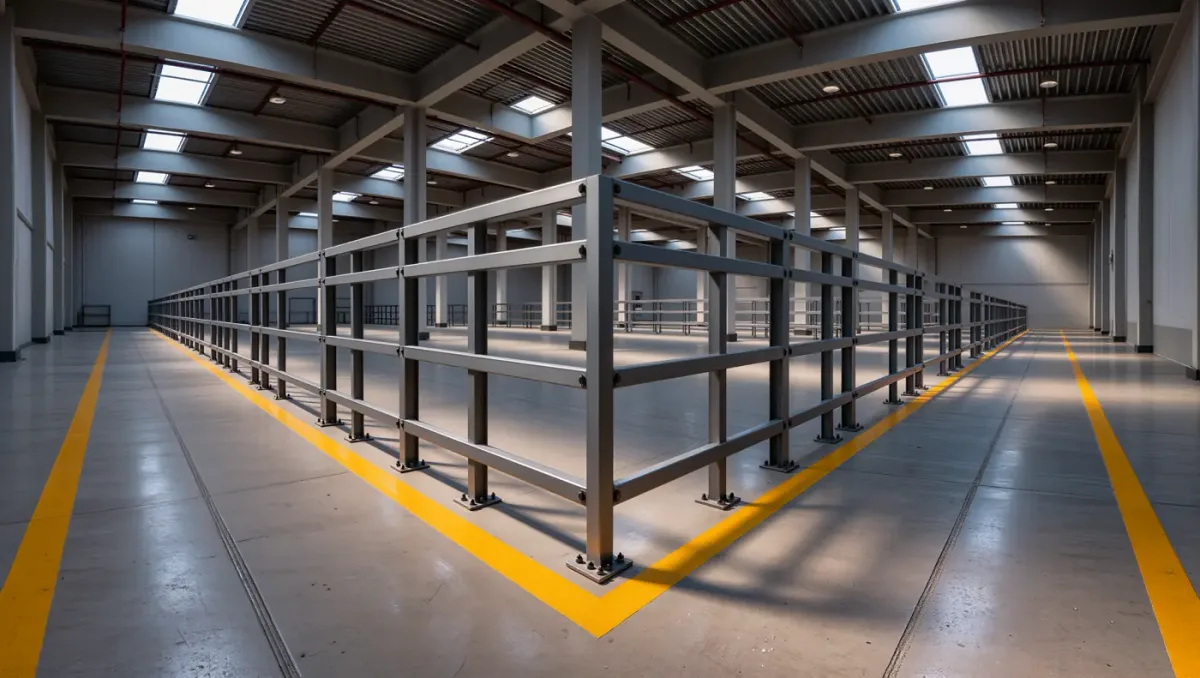
More than 20 states run their own OSHA plans with their own penalty schedules. California's 2025 numbers show how wide the spread from federal maximums can be.
Section 11(c) gives safety whistleblowers 30 days to file with OSHA and no day in court: what the protection covers, how the process runs, and where it stops.