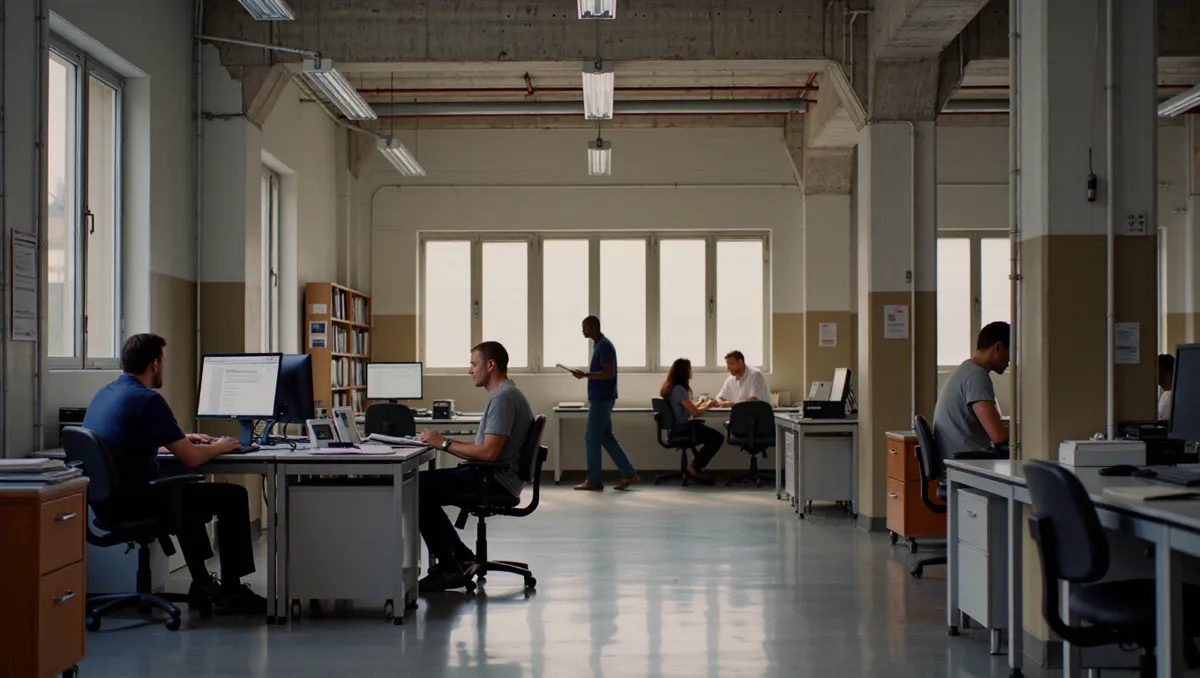
Workplace
Everyday safety: a worker's guide to preventing workplace violence
What the warning signs look like, what de-escalation can and cannot do, and what the law expects from employers.
Workplace looks at the job itself: pay and benefits data, staffing and scheduling practices, automation on the shop floor and office, and the conditions surveys and statistics actually measure.
Pay data, staffing, scheduling, automation and the working conditions shaping jobs, grounded in federal statistics and company filings.
What the warning signs look like, what de-escalation can and cannot do, and what the law expects from employers.
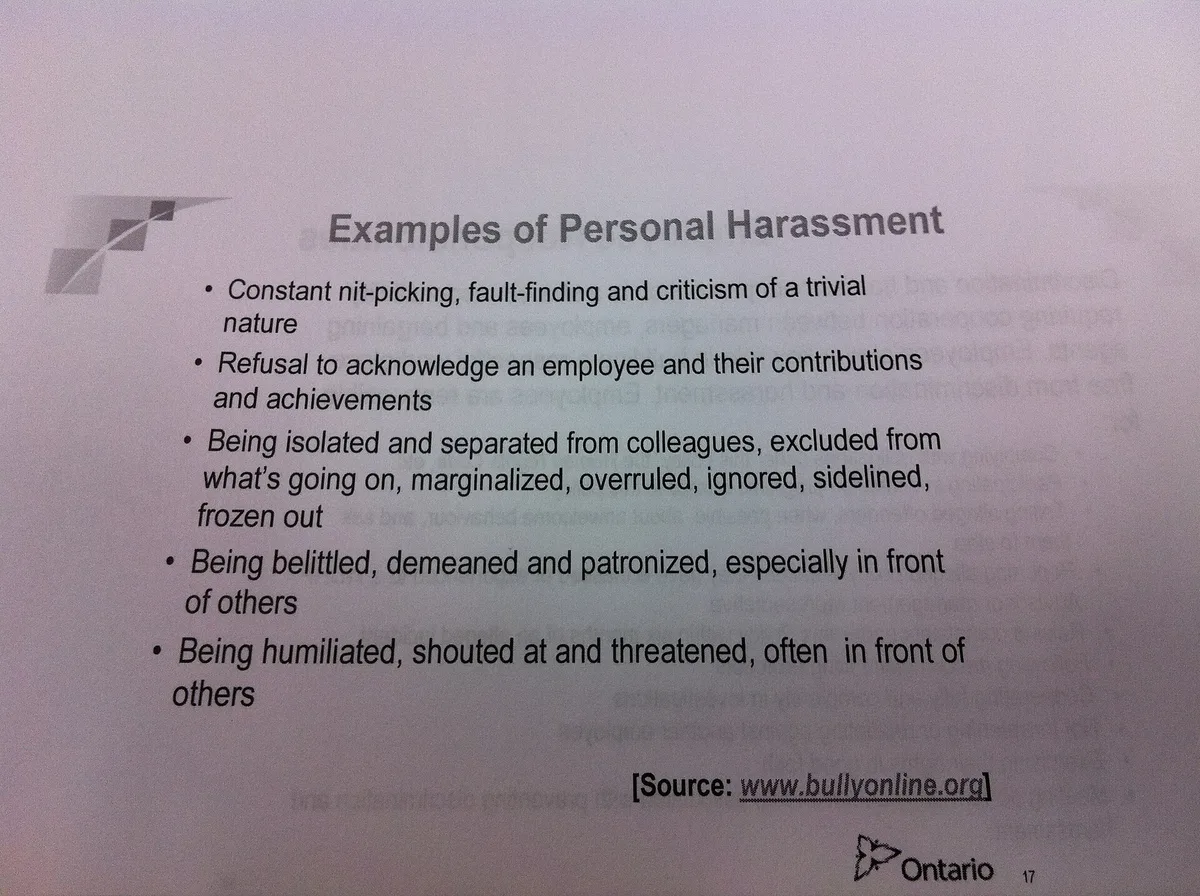
Most bad behavior at work is not illegal. Some of it is. Knowing the difference changes what you do next.
The Inspired Culture Summit's ticket tiers reveal what companies pay for personal transformation, and what workers get left holding.

A primer on non-day schedules — who works them, what federal safety research says about the health evidence, and which scheduling design rules follow from it.

Most workplace monitoring is lawful, with notice required in a minority of states; this explainer covers what can be tracked, disclosed and challenged.
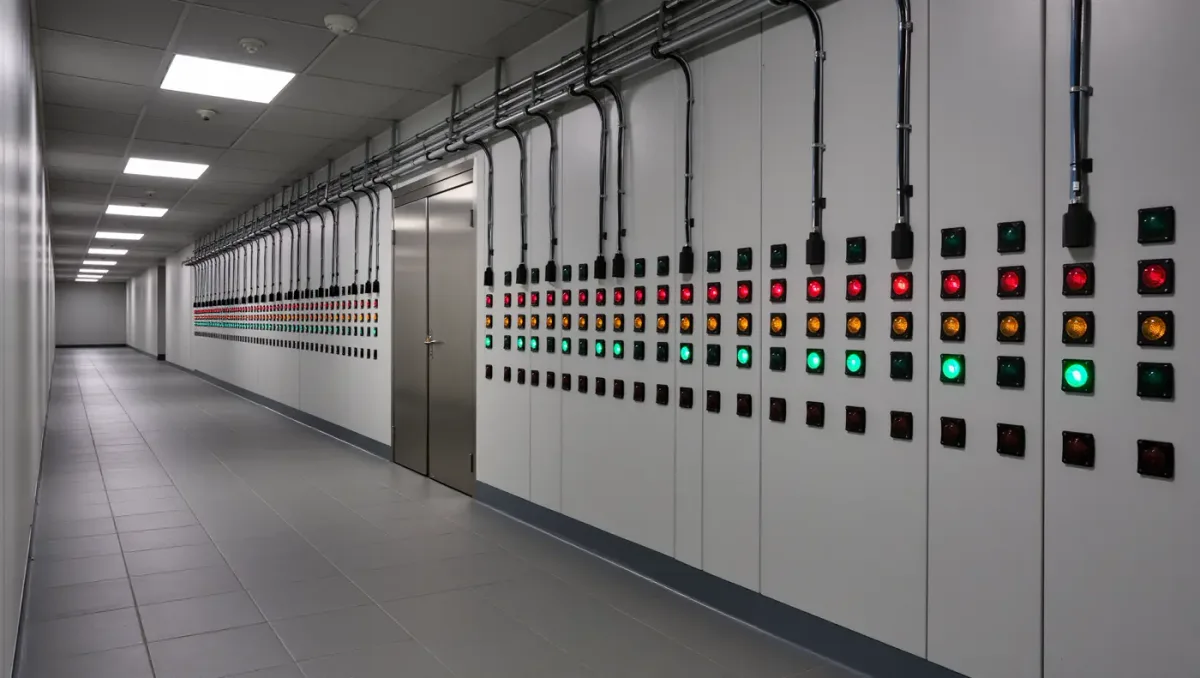
The NLRB's general counsel told regions in 2022 to treat algorithmic management as a labor law problem; this analysis maps where software-made decisions meet the act.