Topic
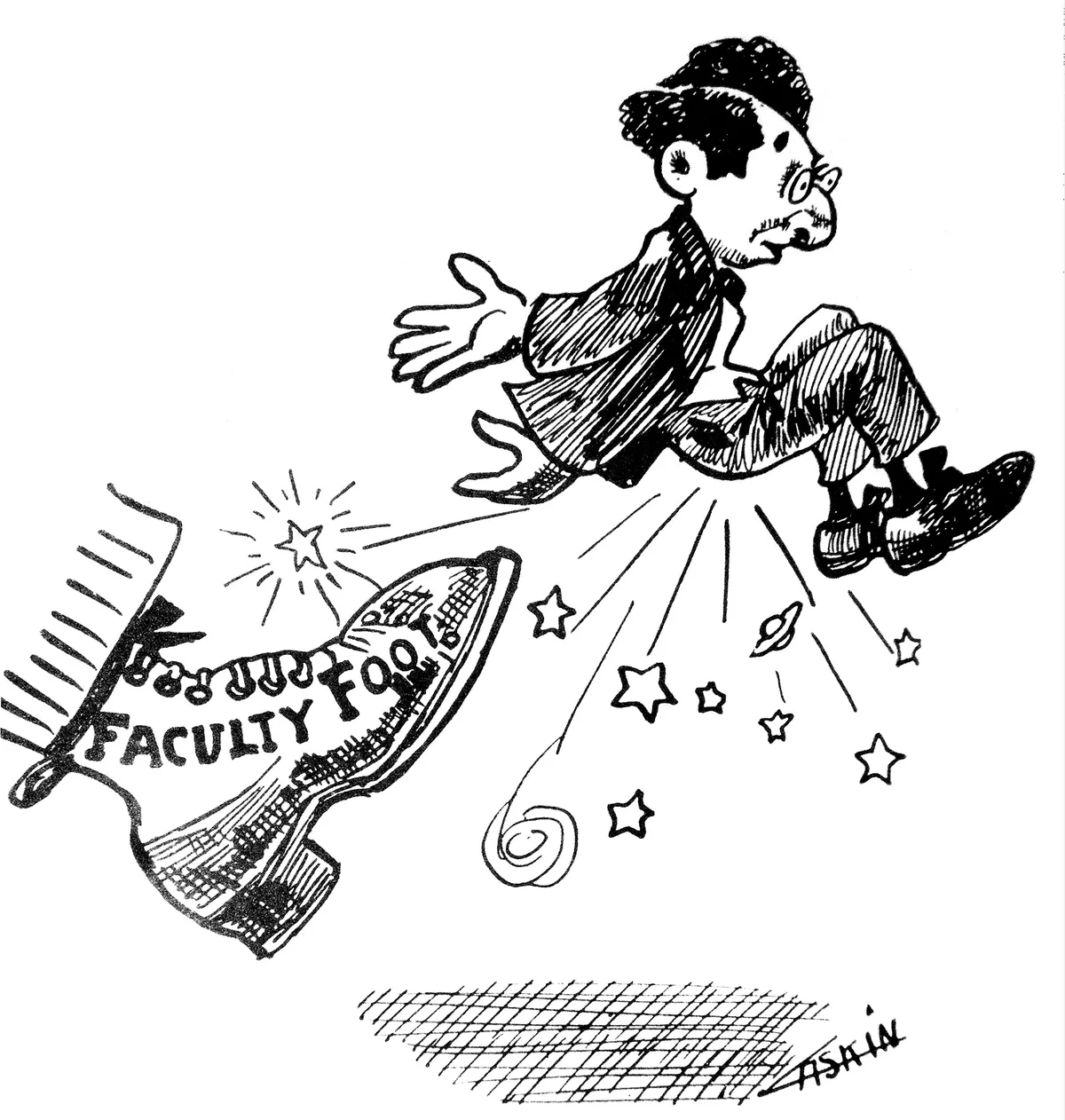
What Retaliatory Termination Looks Like, and How Courts Spot It
Retaliatory termination is a firing meant to punish a protected complaint. Here is how at-will rules work, what retaliation looks like, and what proof does in court.
Retaliatory termination is a firing meant to punish a protected complaint. Here is how at-will rules work, what retaliation looks like, and what proof does in court.
Pleadings, discovery, motions, trial, appeal — the stages a workplace lawsuit actually passes through, and where most cases end.

The Pittsburgh bank's award streak is long by any measure. What the numbers behind the honors actually measure is a narrower question.
What the warning signs look like, what de-escalation can and cannot do, and what the law expects from employers.

From the first charge filed with a federal agency to a verdict or a settlement, here is the road a workplace discrimination case actually travels.
The Commonwealth writes its own wage, break and leave rules. Where they differ from federal law, the stricter rule usually governs.
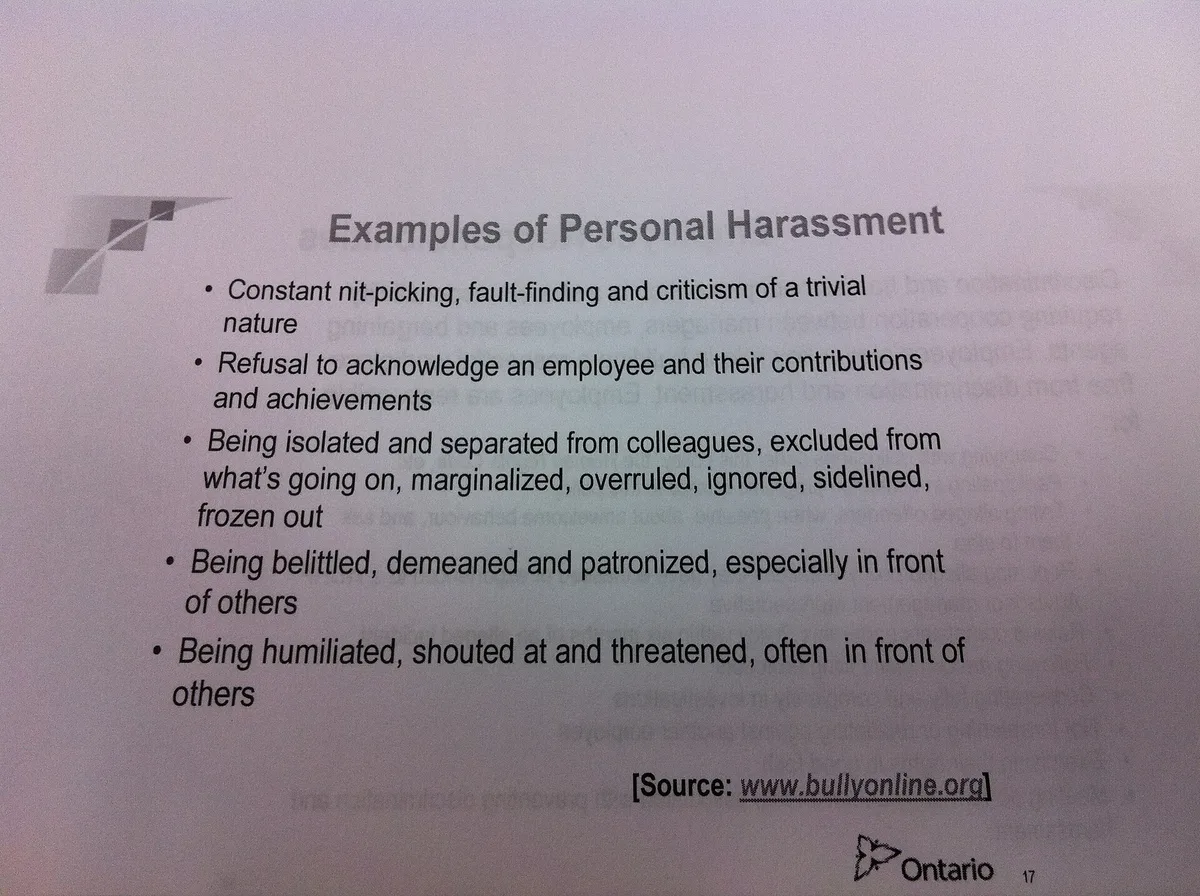
Most bad behavior at work is not illegal. Some of it is. Knowing the difference changes what you do next.

A look at the daily pipeline that turns dockets, rulings and agency notices into the legal news you read.
A Supreme Court rule from 1975 still decides who can bring a witness into the room when an employer starts asking questions that could end in discipline.
Pay stubs, time records and saved texts are what turn a suspicion about unpaid wages into a claim an investigator can act on.